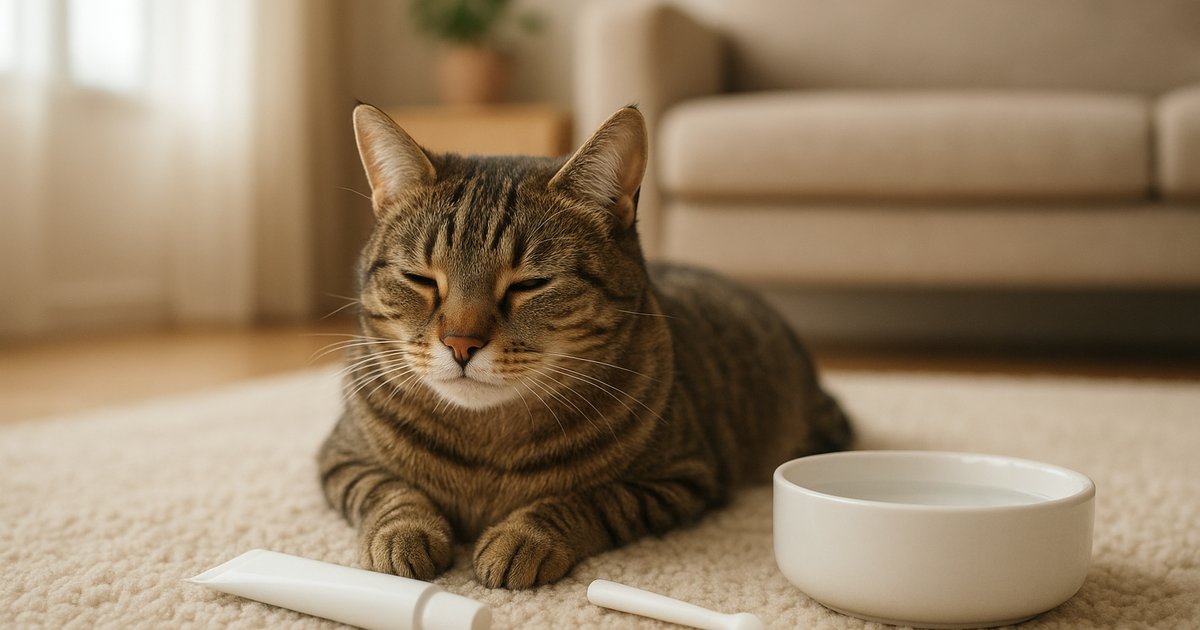
Cat Dental Care at Home: What Works and What Doesn't
Why Cat Dental Care Is Easy to Get Wrong
Cats are masters at hiding discomfort. By the time a cat shows obvious signs of a tooth or gum problem, the issue may have been building for a while. That’s compounded by two more things: many cats are far less tolerant of having their mouths handled than dogs are, and the pet market is full of products that promise an easy fix for a problem that, honestly, doesn’t have one.
This guide is an honest look at what actually helps with cat dental care at home, what doesn’t, and where to draw the line between at-home prevention and professional veterinary care.
None of this requires becoming a dental expert. The point of home care is to keep your cat’s teeth and gums in the best everyday condition you can, between professional check-ups — and to get familiar enough with your cat’s mouth that you notice when something changes. That familiarity is genuinely valuable, because a cat won’t tell you when a tooth hurts.
What Works: The Options, Ranked Honestly
Not all cat dental products are created equal. Here’s how the main options stack up, ranked from most effective to most convenient.
Brushing — the gold standard (and its real-world limits with cats)
Brushing with a pet-safe toothpaste remains the gold standard for at-home dental care. The mechanical action of the bristles physically removes plaque along the gumline — exactly where trouble tends to start. For the full step-by-step technique, see our guide to brushing your cat’s teeth.
But it’s worth being honest about how this plays out with cats. Many cats won’t tolerate a brush in their mouth, at least not without a lot of patient, gradual training. Some will accept it only in short bursts, and others never will. That doesn’t mean you shouldn’t try — it just means brushing isn’t the whole story for every cat.
If you do brush, use a toothpaste formulated for pets, never human toothpaste. (More on why below.) PetZephoria doesn’t sell a cat toothbrush or cat toothpaste, so this section is about the technique itself, whichever pet-safe tools you choose. When you brush, angle the bristles toward the gumline and use small, gentle strokes, focusing on the outside surfaces of the teeth — you don’t need to reach every corner, because a cat’s tongue keeps the inner surfaces reasonably clean on its own.
Dental kits designed for cats
The closest hands-on option after brushing is a dental kit designed specifically for cats. These typically pair a gel or paste with an applicator — often a finger brush or a soft applicator — and they give you a way to do mechanical cleaning without a full brushing routine. The gel helps loosen debris, and the applicator lets you reach along the gumline with more control than a full-size brush.
For most cats, this is the most realistic hands-on option. You can explore a plaque and tartar control kit made for cats, or an odor and tartar control dental kit if you want a second option to compare.
Water additives — what they actually do (and don’t do)
Water additives are liquid formulas you add to your cat’s water bowl. They’re the lowest-effort dental product there is — you add the recommended amount and let your cat drink normally. They’re designed to support fresher breath and help reduce plaque buildup. We cover cat water additives in depth in our guide to cat dental water additives explained.
Be realistic about what they are: a supplement. A water additive supports an overall routine, but it can’t physically remove plaque the way brushing or a kit can. If your cat won’t tolerate handling at all, a water additive is a reasonable place to start — just don’t expect it to replace mechanical cleaning. You can explore a water additive formulated for cats if it fits your routine.
Oral care sprays — a low-effort option for cats who won’t tolerate handling
Oral care sprays are another low-touch option. You spray the product into your cat’s mouth — or onto the gums and teeth, depending on the product — without needing to scrub or hold the mouth open for long. For a cat who won’t accept a brush or a kit, a spray can be a workable middle ground between “do something” and “do nothing.”
As with water additives, sprays are best thought of as one tool in the routine, not a replacement for mechanical cleaning or professional care. You can explore an oral care spray if your cat resists handling.
What Doesn’t Work (and What Can Hurt)
Just as important as knowing what works is knowing what doesn’t — and what can actually harm your cat.
The “dry food cleans teeth” myth
You’ll sometimes hear that dry food cleans a cat’s teeth because the crunch scrapes away plaque. This is widely disputed, and it’s not a reason to skip dental care. In reality, most cats swallow dry kibble without the kind of abrasive contact along the gumline that would meaningfully remove plaque — and plaque builds right where the gum meets the tooth, a place kibble rarely touches. Dry food isn’t a substitute for mechanical cleaning, any more than eating crackers substitutes for brushing your own teeth.
Human toothpaste — dangerous for cats
Never use human toothpaste on a cat. Human toothpaste contains ingredients like fluoride — and sometimes xylitol, a sweetener that’s toxic to pets — that aren’t meant to be swallowed, and a cat can’t rinse and spit. A cat will swallow whatever you put in its mouth, so only ever use a toothpaste or gel formulated specifically for pets, and follow the label’s directions. If you’re ever unsure whether a product is safe for cats, ask your veterinarian before using it.
Gimmick products that overpromise
The pet market is full of products with big promises and little to back them up. When you’re evaluating any dental product, judge it by what it actually does — mechanical cleaning, an ingredient that’s been shown to help, or a recommendation from your vet — rather than by marketing claims. A product that claims to “remove tartar instantly” or “make brushing unnecessary” should raise an eyebrow. If a claim sounds too good to be true, it usually is.
Cat Dental Care vs. Dog Dental Care: Key Differences
If you already care for a dog’s teeth, it’s natural to assume cats are just smaller dogs. They’re not, and a few differences change the approach.
Cats tend to be less tolerant of handling than dogs — particularly around the face and mouth. Their mouths are smaller and differently shaped, so tools designed for dogs are often awkward or uncomfortable for a cat. And cats are more likely to simply remove themselves from a situation they dislike, which means forcing a routine usually backfires.
The practical takeaway: go slower, use cat-appropriate tools, and accept that “some progress” is a good outcome. If you have both a dog and a cat, our guide to cleaning a dog’s teeth at home covers the dog side of the routine, and our comparison of dog dental wipes and toothbrushes explains the dog-specific tools — but treat your cat’s routine as its own project.
How to Build a Home Dental Routine Your Cat Will Accept
The goal isn’t a perfect routine; it’s a routine that actually happens. Here’s how to build one your cat will tolerate.
- Start slow. Don’t expect to brush or apply anything on day one. Spend a few days simply getting your cat used to having its face and mouth touched gently.
- Pick the right moment. Choose a time when your cat is calm and relaxed — never right after waking, while eating, or when your cat is clearly wanting space.
- Desensitize gradually. Touch your cat’s cheek and chin, gently lift the lip for a second, and reward calm behavior with praise or a small treat. Keep sessions very short.
- Introduce the tool slowly. Let your cat sniff the brush, applicator, or wipe before you use it. The first session might be just sniffing — that’s progress.
- Keep sessions short and positive. A calm thirty seconds beats a stressful five minutes. End on a good note.
- Pair with positive reinforcement. Follow each session with something your cat likes. The positive association is what makes future sessions easier.
- Use a towel wrap only if needed. If your cat struggles in a way that risks injury to either of you, a gentle towel wrap can keep everyone safe — but go slowly and stop if your cat becomes distressed. Forcing a cat rarely leads anywhere good.
The single most important habit is consistency. A routine you can actually repeat — even a short one — will do far more for your cat’s mouth over time than an ambitious routine you only manage once a month. Aim for what’s realistic for your household, and build from there.
Choosing the Right Products for Your Cat
Here’s a simple way to think about it by situation:
- A tolerant cat: a dental kit designed for cats is the most thorough hands-on option.
- A resistant cat: an oral care spray lets you do something without a struggle.
- A low-effort household: a water additive is the easiest thing to sustain daily.
- Signs of existing dental problems: see your vet first, before buying anything.
Most households land somewhere in between, and many use more than one tool. The full range of cat dental care products is a good place to compare options, and the shop has everything in one place.
When to See a Veterinarian
At-home care is prevention and everyday maintenance — it isn’t a treatment for existing dental disease. Book a veterinary visit if you notice any of these:
- Persistent bad breath that doesn’t improve
- Red, swollen, or bleeding gums
- Drooling or pawing at the mouth
- Changes in eating or chewing
- Visible tartar buildup or discolored teeth
- Swelling around the face or mouth
For established dental disease, the only real treatment is a professional cleaning — typically performed under anesthesia by a veterinarian. At-home products can’t remove established tartar or treat infection. Think of home care as what keeps your cat’s mouth healthy between veterinary check-ups, not as a substitute for them.
Frequently Asked Questions
How often should I clean my cat’s teeth at home?
As often as your cat will tolerate. For many cats, a few times a week is a realistic goal, and some owners manage daily. Consistency matters more than frequency, and your vet can help you figure out what’s realistic for your cat.
Can water additives replace brushing?
No. Water additives are a convenient supplement that can support fresher breath, but they don’t physically remove plaque the way brushing or a kit does. They work best alongside mechanical cleaning, not instead of it.
Is dental disease common in cats?
Dental problems are a common reason cats see the veterinarian, and the risk rises with age. Because cats hide discomfort well, problems often go unnoticed until they’re more advanced — which is exactly why a regular check of your cat’s mouth, plus routine veterinary exams, matters.
What if my cat won’t let me near its mouth?
Go slowly and don’t force it. Build comfort gradually with short, positive sessions, and consider a low-touch option like a spray or water additive in the meantime. If your cat won’t tolerate any handling and you’re concerned about its dental health, your vet can advise on what’s realistic.
Do cats need professional dental cleanings?
Yes. At-home care is prevention, but professional cleanings — typically performed under anesthesia — are the standard for removing established tartar and evaluating the teeth and gums thoroughly. Your vet can tell you how often your cat is likely to need one.
Related Articles
- Cat Dental Water Additives Explained
What cat dental water additives actually do, what they can't, and how to choose one for your cat — plus where they fit in a dental care routine.
- How to Brush a Cat's Teeth
How to brush a cat's teeth step by step — the tools, the technique, how often, and what to do when your cat won't cooperate.
- Dog Dental Wipes vs. Toothbrushes: Which Is Right for Your Dog?
Finger wipes or a toothbrush for your dog's teeth? Compare cleaning power, ease, and cost, plus how to combine both in a routine that works.
- How to Clean Your Dog's Teeth at Home: A Complete Guide
Learn how to clean your dog's teeth at home, from brushing and toothpaste to dental wipes and water additives, plus when to see a veterinarian.